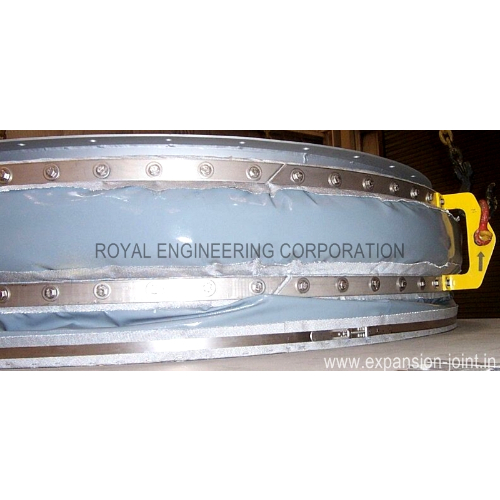
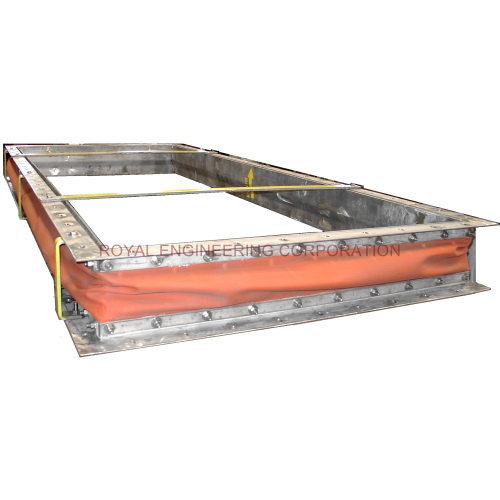
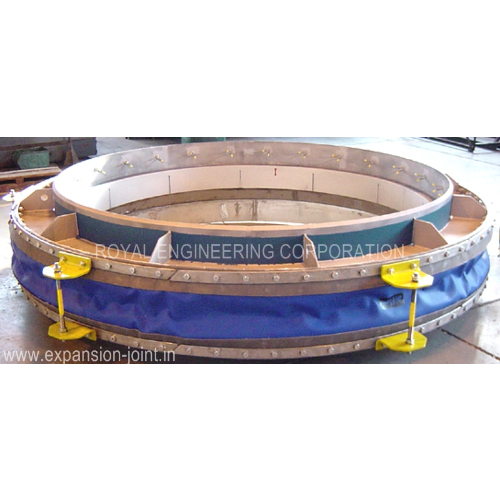
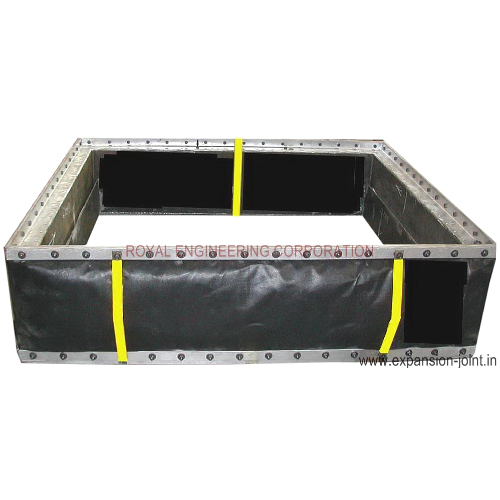
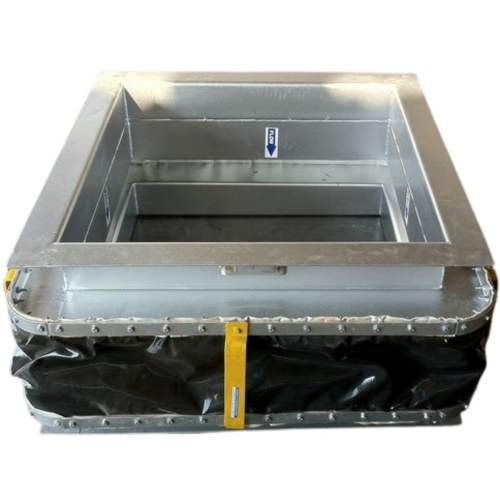
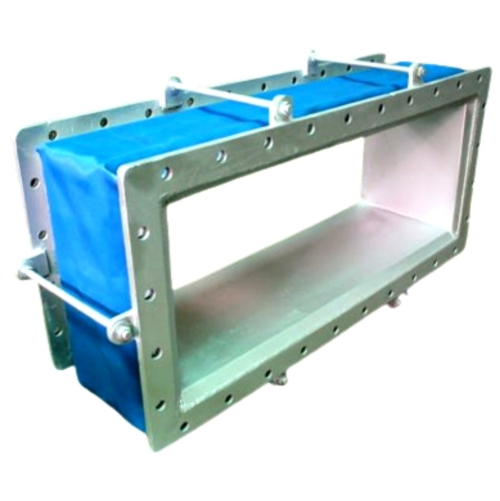
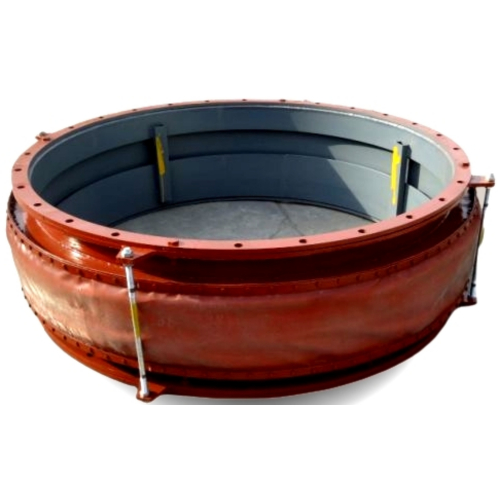
We are Fabric Expansion Joint Manufacturers in India up to the following capacity :
Fabric Expansion Joint is critical components in various industrial applications, designed to accommodate movement and thermal expansion in duct work, piping, and other systems. These joints consist of flexible materials that allow for the absorption of displacement caused by temperature fluctuations, vibration, or structural movement. Their primary purpose is to prevent damage by allowing safe and efficient movement without compromising the integrity of the overall system.
The construction of Fabric Expansion Joint typically involves high-performance materials such as neoprene, silicone, or fiberglass. These materials are selected based on their durability, temperature resistance, and flexibility, ensuring that they can withstand the rigors of the environment in which they are used. The design of these joints considers factors like pressure, temperature variations, and directional movements, enabling them to function effectively across a range of conditions.
Generally, Fabric Expansion Joint work by allowing a controlled amount of movement, thereby redistributing stress and reducing the risk of failure in connected components. For example, when a duct carrying hot gases expands, the fabric joint flexes to absorb the expansion without transmitting the stress to adjacent structures. This ability to manage movements makes them especially valuable in industries where thermal expansion, vibration, and misalignment are prevalent, such as in power generation, chemical processing, and HVAC systems.
As we delve deeper into the benefits and applications of Fabric Expansion Joint, it becomes evident how their unique design and material properties contribute significantly to the longevity and efficiency of industrial systems. Understanding these aspects not only highlights their importance but also reinforces the role these components play in maintaining operational stability across various sectors.
Fabric Expansion Joint is essential components in various industrial applications, designed to accommodate movement, absorb vibrations, and facilitate thermal expansion. There are several types of Fabric Expansion Joint available in the market, each tailored for specific uses and operational conditions. Understanding these varieties is crucial for selecting the appropriate joint for your project.
One common type is the standard Fabric Expansion Joint, which is engineered using pre-defined specifications and materials. Typically made from flexible, heat-resistant fabrics, these joints are suitable for moderate temperature and pressure applications. They often feature a configuration that minimizes stress concentrations, promoting durability and longevity in the system.
Another popular variant is the custom-made Fabric Expansion Joint. These joints are specifically engineered to meet the unique demands of particular projects. Customization allows engineers to choose the suitable materials, dimensions, and design features, ensuring optimal performance in stringent operational conditions. Custom-made options might integrate reinforced seams, specialized coatings, or multi-layer designs to enhance strength and resistance to chemicals or extreme temperatures.
A notable sub type is the high-temperature Fabric Expansion Joint, typically used in environments where the operating temperatures exceed what standard materials can endure. These joints are often composed of advanced materials such as silicone or fiberglass, providing excellent heat resistance while maintaining flexibility and resilience.
Finally, devices such as fabric bellows are incorporated within systems requiring significant axial or lateral movement. These bellows are designed to withstand considerable displacement, ensuring that the integrity of the piping system remains un compromised.
When selecting the right type of Fabric Expansion Joint, considerations such as operating conditions, temperature ranges, and installation limitations should be prioritized to ensure optimal functionality and longevity.
Fabric Expansion Joint is increasingly recognized for their numerous advantages compared to traditional metal joints in various engineering applications. One primary benefit is their exceptional flexibility. Fabric materials allow for greater movement capability, thereby accommodating the thermal expansion and contraction of systems more effectively than rigid metal components. This flexibility is particularly crucial in scenarios where there are significant temperature fluctuations, as it mitigates the stress imposed on the system, leading to prolonged operational life.
Another notable attribute of Fabric Expansion Joint is their weight reduction. Unlike metal joints, which can be heavy and cumbersome, fabric joints are lightweight due to their materials and construction. This characteristic can substantially reduce the overall weight of a piping or duct system, leading to lower support requirements, which in turn can decrease both installation and material costs. The lightweight nature also simplifies handling and transportation, which contributes to time savings during the installation process.
Ease of installation is another significant benefit of Fabric Expansion Joint. Unlike their metal counterparts, which often require specialized tools and techniques for installation, fabric joints can typically be installed using standard tools and procedures. This simplicity translates into faster installation times and decreased labor costs, enhancing project efficiency. Additionally, the adaptability of Fabric Expansion Joint allows for installation in confined spaces where conventional metal joints may be impractical.
Thermal performance further underscores the advantages of Fabric Expansion Joint. Fabric materials can offer superior insulation properties, which can help maintain temperature control within various systems. This thermal efficiency not only optimizes energy usage but can also contribute to overall cost-effectiveness. As such, the adoption of Fabric Expansion Joint supports enhanced operational efficiency across a wide range of applications, making them a preferred choice in modern engineering practices.
Fabric Expansion Joint is versatile components utilized in a variety of industries to accommodate movement and thermal expansion in piping systems, ducting, and equipment. One of the primary sectors using these joints is HVAC (Heating, Ventilation, and Air Conditioning). In HVAC systems, Fabric Expansion Joint serve to absorb vibrations, reduce noise, and manage thermal expansion between ducts. Due to their lightweight nature and ease of installation, they are often preferred over traditional metallic versions, providing reliable performance in managing air flow and temperature changes.
Another significant application is found in the power generation industry. Here, Fabric Expansion Joint is used in coal-fired, gas, and nuclear power plants. As these facilities operate under high thermal stress and pressure fluctuations, the flexibility provided by fabric joints helps maintain system integrity. For example, in hot gas ducts, Fabric Expansion Joint accommodate the movement caused by temperature variations, ensuring the longevity of the system and enhancing operational efficiency. By minimizing stress on pipes and equipment, they contribute to reduced maintenance costs and increased safety.
The manufacturing sector also benefits from Fabric Expansion Joint, particularly in processes involving hot gases or fluids. Industries such as chemical processing, food production, and automotive all utilize these components to manage expansion and contraction effectively. For instance, in a chemical plant, Fabric Expansion Joint is employed to connect stacks and exhaust systems, facilitating expansion while preventing damage to rigid connections. This adaptability allows manufacturers to optimize processes while addressing the unique requirements of their operations, securing performance and reliability.
Through these applications, Fabric Expansion Joint demonstrate their pivotal role in enhancing operational efficiency and prolonging the lifespan of industrial systems across various sectors.
Proper installation of Fabric Expansion Joint is crucial for their effective performance in various applications. Before beginning the installation process, it is essential to prepare the site adequately. This includes ensuring that all surfaces are clean, dry, and free of debris or contaminants that could affect adhesion and seal integrity. Additionally, the structure where the joints will be installed should be properly aligned. Any misalignment may cause undue stress and shorten the lifespan of the Fabric Expansion Joint.
When it comes to tools, having the right equipment can streamline the installation of Fabric Expansion Joint. Basic tools often required include measuring tape, utility knives, screwdrivers, and an assortment of fasteners. It may also be necessary to have sealing equipment or adhesives specifically designed for fabric materials. Prior to commencing the installation, carefully review the manufacturer’s instructions to ensure all requirements are met.
The installation process typically follows a systematic approach. Initially, the expansion joint should be positioned between the connected structures, ensuring that it is centered. Pre-drill holes based on the joint’s design and use appropriate fasteners to secure the expansion joint in place. When fastening, ensure that the fabric is not overly tightened, as this may hinder its ability to accommodate movement. Once attached, verify that all connections are watertight using suitable sealing materials, to prevent leaks and facilitate optimal performance.
Regular maintenance is paramount for ensuring both the reliability and longevity of Fabric Expansion Joint. Inspections should be conducted periodically to check for signs of wear or damage, such as cracks or tears in the fabric. Should any issues arise, timely repairs are advisable to avoid costly replacements or potential system failures. Furthermore, maintaining proper operational conditions, including temperature and pressure limitations is essential in prolonging the life of Fabric Expansion Joint.
Designing Fabric Expansion Joint presents several challenges and considerations that engineers must navigate to ensure optimal performance and longevity. One of the primary factors is the environmental conditions in which these joints will be installed. High temperatures, exposure to chemicals, and humidity levels can significantly affect the integrity of the fabric material used. It is essential for designers to select fabrics that can endure the specific conditions of their intended applications, as failing to do so may result in premature wear or failure.
Another critical consideration is the need for custom solutions. Unlike standardized components, Fabric Expansion Joint often require bespoke designs to accommodate unique dimensions and operational demands. Engineers must engage in thorough assessments to determine the specifications of the expansion joint, ensuring that the final product fits seamlessly into the existing framework while allowing for necessary movement. This can entail coordination with multiple stakeholders, including fabric manufacturers and installation teams, to achieve the desired outcomes.
Compatibility with other materials is also a significant concern when designing Fabric Expansion Joint. To maintain functional integrity, the selected fabric must work harmoniously with adjacent materials, such as metal or concrete components. This compatibility ensures that the expansion joint can effectively absorb movement without causing stress concentrations that could lead to structural issues. Potential differences in expansion rates, chemical reactivity, or physical wear between the fabric and adjacent materials should be carefully considered to prevent long-term complications.
Moreover, installation and maintenance strategies must be implemented to ensure the joint functions as intended throughout its lifespan. Adequate training and documentation are essential for technicians responsible for the installation and upkeep of the expansion joint. By considering these factors, engineers and designers can create effective Fabric Expansion Joint that meet both immediate and long-term operational needs.
High temperature Fabric Expansion Joint is specialized components designed to accommodate movement and thermal expansion in high-temperature environments. Unlike standard fabric joints, which are typically used in lower temperature applications, high temperature Fabric Expansion Joint is specifically engineered to withstand extreme heat, often exceeding 1,200 degrees Fahrenheit. This capability is critical for the reliable operation of various industrial processes.
The distinguishing feature of high temperature Fabric Expansion Joint is their construction, which includes advanced materials such as fiberglass, silicone, or other heat-resistant textiles. These materials are often combined with protective coatings to enhance durability and resistance to chemical exposure, abrasion, and environmental stressors. The selection of material is crucial, as it directly affects the joint’s ability to maintain integrity under extreme conditions. For example, fiberglass reinforced silicone can provide excellent flexibility while withstanding significant temperature variations.
High temperature Fabric Expansion Joint is essential in industries where equipment operates at high temperatures or where thermal expansion is a concern. They are commonly found in sectors such as power generation, petrochemicals, aerospace, and metallurgy. In power plants, for instance, these joints are utilized in flue gas ducting systems to accommodate the fluctuating thermal expansion and contraction caused by combustion processes. Similarly, in the petrochemical industry, they help maintain the integrity of piping systems that transport heated fluids.
By providing a flexible connection between rigid structures, high temperature Fabric Expansion Joint contribute to the longevity and efficiency of industrial systems. Their ability to manage thermal stress and accommodate movement safeguards against damage and operational disruptions, making them a vital component in high-temperature applications.
High temperature Fabric Expansion Joint is critical components in various industries, enabling machinery and systems to accommodate thermal expansion and contraction. The effectiveness of these joints is significantly influenced by the materials utilized in their construction. Common materials include fiberglass, silicone, and composite materials, each offering distinct advantages that make them suitable for high temperature applications.
Fiberglass is a prevalent choice for high temperature Fabric Expansion Joint due to its exceptional thermal resistance. This material can withstand temperatures exceeding 1000°F (538°C) and has a high tensile strength, providing durability under extreme conditions. Additionally, fiberglass exhibits excellent flexibility, allowing for movement without compromising the integrity of the joint. Its lightweight nature further contributes to ease of installation, making it a favorite among engineers.
Silicone rubber, another popular material, is widely recognized for its remarkable resilience to temperature fluctuations. Capable of enduring temperatures from -100°F to 500°F (-73°C to 260°C), silicone offers both flexibility and durability. Its inherent resistance to chemical corrosion makes it suitable for environments where exposure to harsh substances is a concern. Moreover, silicone Fabric Expansion Joint maintain their mechanical properties over time, ensuring reliability even in challenging applications.
Composite materials, often a blend of fiberglass and silicone or other fibers, provide additional benefits. These composites are designed to enhance the performance of traditional materials, combining heat resistance with remarkable flexibility and strength. The multi-layered nature of composite materials allows for customization, enabling designers to create expansion joint tailored to specific operational needs. This adaptability is crucial in industries such as aerospace, petrochemical, and power generation, where high performance and reliability are paramount.
The selection of materials for high temperature Fabric Expansion Joint directly impacts their effectiveness and longevity. Each material offers unique properties that cater to the demanding requirements of high temperature environments, ensuring optimal performance and safety in industrial applications.
When designing high temperature Fabric Expansion Joint, engineers must take various crucial factors into account to ensure effective performance and longevity. A primary consideration is the size and shape of the joints, which must be tailored to fit the specific application. This involves not only determining the dimensions but also assessing the space constraints and layout of the existing systems. A precise fit is essential to avoid stress concentrations that could lead to premature failure.
Another significant aspect is the movement capabilities of the Fabric Expansion Joint. These joints must accommodate various forms of movement, including axial, lateral, and angular displacements. The design should allow for sufficient flexibility to absorb thermal expansion and contraction while maintaining structural integrity. Engineers need to analyze the expected movement ranges within the system to select the appropriate joint configuration that facilitates optimal function without excessive wear.
Pressure ratings are also critical in the design of high temperature Fabric Expansion Joint. These structures must withstand not only the internal pressures from the conveyed fluids or gases but also the effects of high-temperature operations. Adequate pressure ratings ensure safety and reliability, preventing potential leaks or ruptures that could compromise the entire system. Engineers often refer to industry standards and guidelines when establishing these ratings.
Finally, the integration of Fabric Expansion Joint into existing systems requires careful consideration. The joint must align properly with connecting pipes or ducts, and all mounting points should be securely fastened to mitigate the risk of leaks or failures. Consideration of the thermal insulation and the effects of nearby equipment is also essential to guarantee that the Fabric Expansion Joint operates efficiently. By meticulously evaluating these design aspects, engineers can create high temperature Fabric Expansion Joint that enhance system performance and durability.
High temperature Fabric Expansion Joint is integral components utilized across various industries due to their ability to accommodate thermal movement, absorb vibration, and prevent excessive strain on equipment. One of the most significant industries employing these joints is aerospace, where they are essential in engine exhaust systems and ducting. These joints are engineered to withstand extreme temperatures and pressures, ensuring the safety and efficiency of aircraft operations.
In the petrochemical sector, high temperature Fabric Expansion Joint provides crucial solutions for piping systems that transfer hot gases and fluids. The ability to manage thermal expansion and contraction minimizes the risk of damage due to thermal stress, thereby enhancing the longevity and reliability of the infrastructure. These joints are often found in refinery processes, making them vital in mitigating the impacts of heat fluctuations and maintaining optimal operational conditions.
Another prominent application is in metal manufacturing, particularly during processes such as welding and forging, where high temperatures are commonplace. High temperature Fabric Expansion Joint can be used in furnace applications, where they prevent the transfer of vibrations that may lead to structural failures. Their lightweight and flexible design enable significant adaptability within tight spaces, which is a crucial factor in manufacturing environments.
Furthermore, power generation facilities utilize these joints in various contexts, including gas turbine installations and boiler systems. Here, they serve to isolate equipment from damaging thermal movements while ensuring a consistent flow of hot gases. The reliable performance of high temperature Fabric Expansion Joint in these applications not only improves operational efficiency but also addresses challenges related to heat-related wear and tear.
Given their diverse applications across industries, high temperature Fabric Expansion Joint remains a cornerstone in the development of safe and efficient systems in demanding environments.
To ensure the longevity and optimal performance of high temperature Fabric Expansion Joint, regular maintenance and thorough inspections are imperative. These fabric components, designed to accommodate thermal fluctuations and mechanical movements in high-temperature environments, require a strategic approach to their upkeep. A consistent maintenance routine not only prolongs the life of the expansion joint but also prevents costly down times and operational disruptions.
Start by developing a comprehensive inspection schedule, ideally on a quarterly basis, for the high temperature Fabric Expansion Joint. During these inspections, look for visible signs of wear and tear, such as cracks, fraying, or discoloration in the fabric. Additionally, check for any deformations that might indicate over stressing or material fatigue due to extreme temperatures. Regular inspections also involve assessing the integrity of the attachment points and gaskets, ensuring that they remain secure and undamaged because these areas directly influence the performance of the expansion joint.
Another critical aspect of maintenance involves monitoring the operational environment. High temperature Fabric Expansion Joint is often exposed to aggressive conditions, making it essential to evaluate the operating temperatures and pressures against the manufacturer’s specifications. Any deviations could necessitate immediate action to prevent further damage. Furthermore, inspection for contaminants, such as oil or chemical spills, should also be performed, as they can degrade the fabric material over time.
Common issues that may arise with high temperature Fabric Expansion Joint includes leakage, which can occur if seals are compromised. In such cases, prompt repair is crucial. Minor repairs can often be achieved using specialized adhesives designed for high-temperature applications. However, if damage is substantial, replacement may be necessary. Failure to address these issues in a timely manner could lead to severe consequences, including system failures or safety hazards.