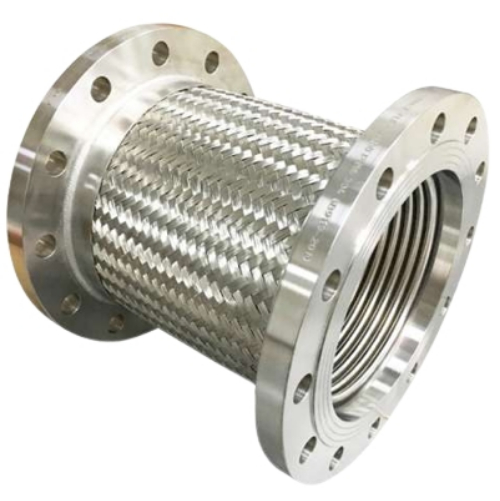
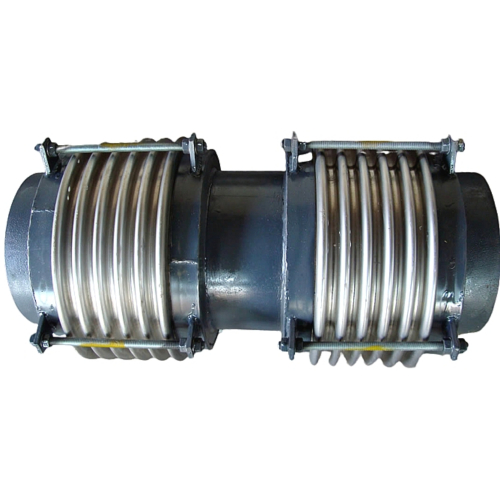
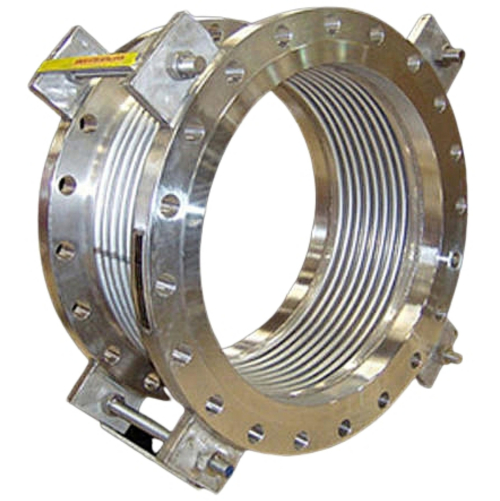
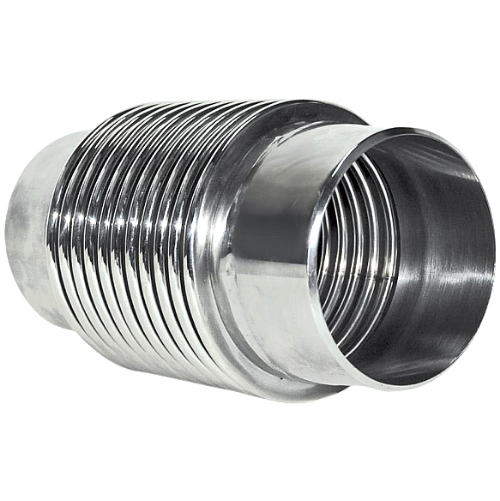
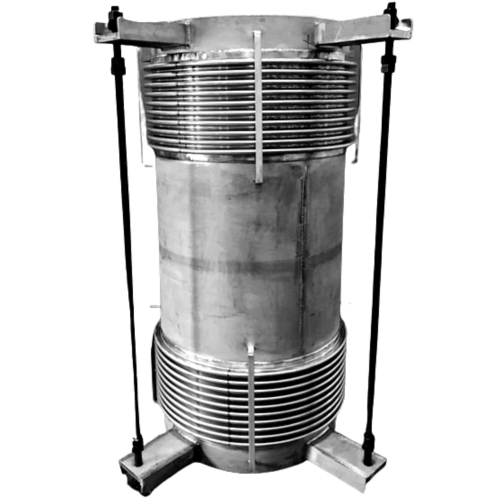
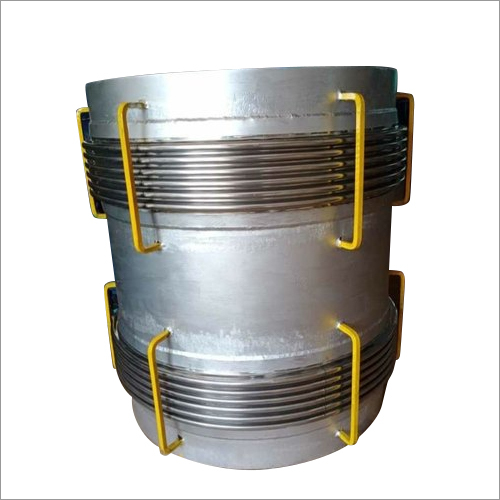
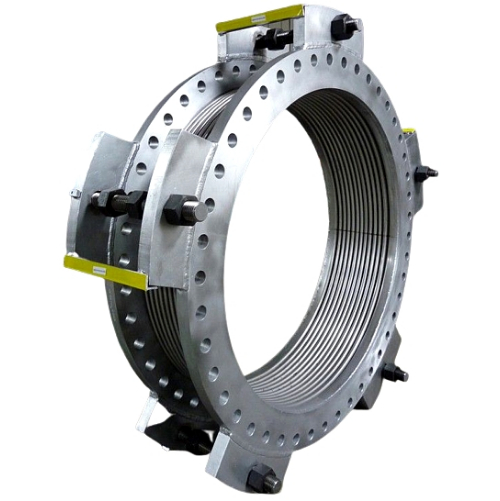
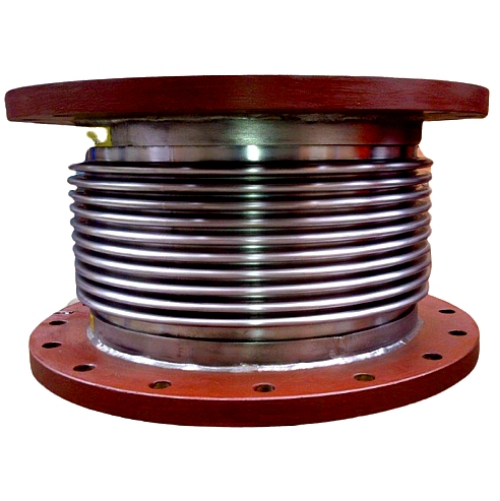
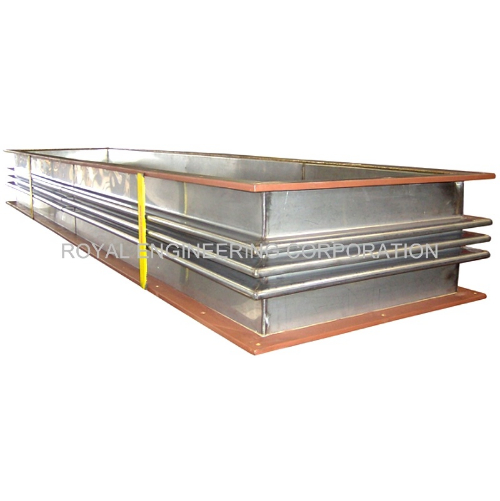
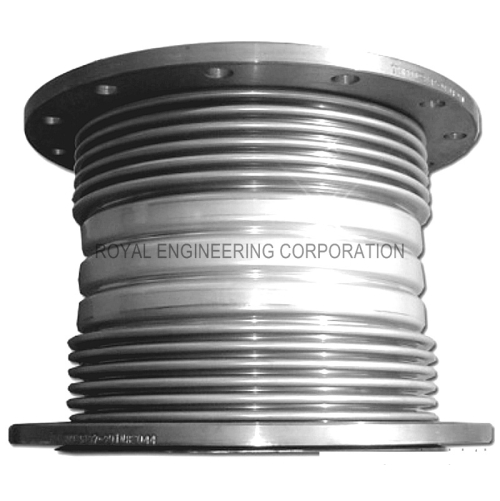
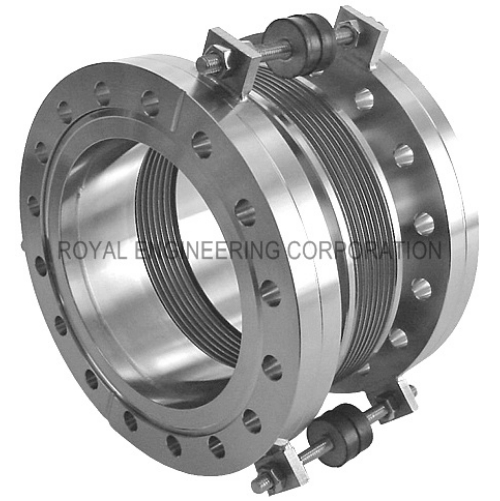
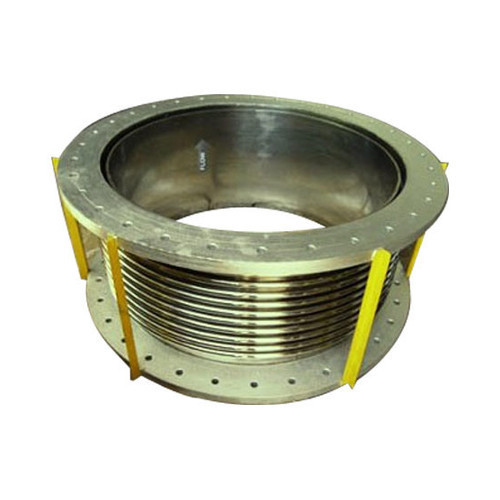
We are Metallic Expansion Joint Manufacturers up to the following capacity :
Metallic Expansion Joint is critical components in various industrial applications, designed to absorb and accommodate the thermal expansions and contractions that occur in piping systems, machinery, and structures. As materials heat up, they tend to expand, and when they cool, they contract. If these movements are not properly managed, they can lead to serious structural issues, including fatigue, stress, and failure. Thus, the fundamental purpose of Metallic Expansion Joint is to mitigate these risks and enhance the safety and efficiency of systems.
These joints function by providing flexible connections that can move in multiple directions. Typically constructed from flexible metal alloys, they allow for movement in three planes: axial, lateral, and angular. This versatility enables them to absorb the dimensional changes resulting from temperature fluctuations while maintaining the integrity and operational capability of the system. The incorporation of expansion joints ensures that thermal stress does not compromise the performance of piping systems.
In addition to thermal expansion management, Metallic Expansion Joint also play a significant role in isolating vibrations and noise generated from machinery operations. This function is particularly crucial in industries such as oil and gas, chemical processing, and power generation. By incorporating these joints into their designs, engineers can enhance the overall durability and reliability of their systems, ultimately leading to reduced maintenance costs and downtime.
Due to the diverse environments in which they operate, Metallic Expansion Joint is available in various designs and materials, each tailored to meet specific application needs. Understanding these fundamental aspects of Metallic Expansion Joint allows industry professionals to select appropriate solutions that ensure optimal performance while adhering to safety regulations in their operational environments.
Metallic Expansion Joint is essential components in piping systems, designed to accommodate movements resulting from thermal expansion and contraction. The fundamental principle behind their functionality is to allow for flexibility in a structure while maintaining the integrity of the system. This task is accomplished through a combination of design, materials, and operational mechanisms.
At the core of Metallic Expansion Joint lies the bellows component, which is typically made from high-quality metals, such as stainless steel or other alloys. These materials are selected for their ability to withstand extreme temperatures and pressures while exhibiting excellent corrosion resistance. The bellows, often formed through a process of welding and pressing, provide a flexible yet strong interface that can expand and contract in response to temperature fluctuations. When the temperature of the pipeline increases, the materials expand; the bellows accommodate this movement by allowing for axial, lateral, and angular displacements.
Additionally, Metallic Expansion Joint incorporate various protective features, including limit rods, brackets, and covers, which help to guide movement and prevent undue stress on the joints. These features ensure that the expansion joint operates smoothly without compromising the surrounding system. The design may also include multiple convolutions in the bellows, which increases the flexibility and range of motion, allowing for better absorption of thermal stress and vibration.
In practice, the effectiveness of Metallic Expansion Joint is critical in various applications, such as power plants, chemical processing facilities, and HVAC systems. Their ability to mitigate thermal expansion helps to prevent potential damage or failure in piping systems, contributing to enhanced safety and prolonged service life. Understanding the mechanics of Metallic Expansion Joint is crucial for engineers and technicians involved in the design and maintenance of industrial systems.
Metallic Expansion Joint is critical components in piping systems, serving to absorb thermal expansion, vibrations, and other movements. The selection of materials used in their construction directly influences their performance, durability, and overall effectiveness in different applications. Common materials include stainless steel, carbon steel, and various special alloys, each offering distinct advantages based on operational conditions.
Stainless steel is one of the most widely used materials for Metallic Expansion Joint due to its excellent corrosion resistance and high-temperature capabilities. The various grades of stainless steel, such as 304 and 316, provide enhanced durability, making them suitable for environments where exposure to moisture or chemicals is frequent. This material is particularly advantageous in industries such as petrochemicals, food processing, and pharmaceuticals, where maintaining the integrity of piping systems is paramount.
Carbon steel is another option that is frequently utilized in the manufacturing of Metallic Expansion Joint. While it may not offer the same level of corrosion resistance as stainless steel, carbon steel is favored for its strength and economic advantages. When coated or treated appropriately, carbon steel can be effective in low to moderate corrosive environments, often being a cost-effective solution for applications that do not require stringent corrosion protection.
Special alloys, including nickel-based and copper-based materials, are employed in situations where the operational environment presents unique challenges. These alloys can withstand extreme temperatures and resist specific corrosive agents, making them suitable for specialized applications such as nuclear power plants, aerospace, and marine environments.
In essence, the material selection for Metallic Expansion Joint is vital for ensuring optimal functionality and longevity. Factors such as corrosion resistance, thermal performance, and the specific requirements of the application must be carefully considered to enhance the reliability and efficiency of the piping system.
Metallic Expansion Joint plays a critical role in industrial piping systems, offering numerous advantages that enhance their operational efficiency and longevity. One of the primary benefits is the substantial reduction in maintenance costs. By absorbing thermal expansion and contraction, these joints minimize the stress imposed on pipelines, leading to fewer instances of wear and tear. This reduced stress significantly decreases the need for frequent repairs or replacements, ultimately translating into lower maintenance expenses for businesses.
In addition to cost-effectiveness, Metallic Expansion Joint contribute to increased lifespan of piping systems. Traditional piping systems, without the incorporation of expansion joints, can suffer from structural failures due to accumulated stress over time. The ability of Metallic Expansion Joint to accommodate movement ensures that the structural integrity of the piping is maintained, allowing systems to operate efficiently over many years. For example, industries such as oil and gas have reported extended operational lifespans for their pipelines after implementing Metallic Expansion Joint in high-temperature and high-pressure applications.
Safety is another paramount benefit of utilizing Metallic Expansion Joint. These joints help in mitigating the risk of catastrophic failures often associated with thermal expansion. In high-pressure environments, any failure in piping systems can pose dangers not only to the equipment but also to personnel nearby. By incorporating Metallic Expansion Joint into design protocols, industries can enhance safety measures significantly. For instance, chemical processing plants rely heavily on Metallic Expansion Joint to prevent leaks and maintain stable operating conditions, thus safeguarding both workers and the environment.
In summary, the incorporation of Metallic Expansion Joint in industrial systems offers significant advantages, including reduced maintenance costs, prolonged lifespan of piping arrangements, and enhanced safety. These benefits not only improve operational efficiency but also foster a more sustainable and secure industrial environment.
Metallic Expansion Joint is vital components in various industrial applications, effectively accommodating thermal expansion, contraction, and vibration within piping systems. Their versatility makes them suitable for numerous sectors, including oil and gas, power generation, HVAC (heating, ventilation, and air conditioning), and manufacturing. Each of these industries relies on the functionality and integrity provided by these joints to manage the stresses produced by temperature changes and movement.
In the oil and gas industry, Metallic Expansion Joint is employed in pipeline systems that transport crude oil, natural gas, and other fluids. These joints allow for the natural thermal expansion of materials caused by temperature variations along the pipeline, thus preventing damage and ensuring safety. For instance, in offshore drilling operations, expansion joints accommodate movement due to wave action, thermal fluctuations, and other environmental factors, maintaining the integrity of the pipeline systems.
Power generation facilities also benefit from the implementation of Metallic Expansion Joint. In steam and gas turbine systems, these joints are crucial for accommodating thermal stresses and vibrations generated during operation. As the temperature of the components increases significantly, the expansion joints help in distributing the stress evenly, preventing premature wear and potential failure of the piping systems.
In HVAC applications, Metallic Expansion Joint is essential for managing system efficiency and effectiveness. They are used in ductwork to absorb vibrations and thermal fluctuations, ensuring that the HVAC system operates smoothly without leaks or disruptions. This is particularly important in large buildings where duct systems must navigate complex architectural designs.
Manufacturing processes often involve extreme temperatures and pressures, making the use of Metallic Expansion Joint critical in maintaining system performance. Industries such as chemical processing and petrochemicals rely heavily on these components to ensure operational stability.
These examples illustrate the significant role that Metallic Expansion Joint play in maintaining system integrity and functionality across various industries, ensuring efficient and safe operations.
An Axial Metallic Expansion Joint is a vital component utilized in piping systems to manage thermal expansion and contraction. Its primary function is to absorb the dimensional changes that occur due to temperature fluctuations, ensuring that the integrity of the piping system remains intact. Typically, these joints are engineered with a tubular structure designed to expand and contract axially, accommodating the forces generated by thermal movement.
These joints are constructed from various metals, such as stainless steel, carbon steel, and high-temperature alloys, providing durability and resistance to corrosion. The material choice is crucial as it must withstand not only the thermal cycles but also the pressures and environmental conditions of the specific application. The design of Axial Metallic Expansion Joint often features convolutions or bellows, which enhance their flexibility and allow for greater movement absorption compared to rigid connections.
The engineering principles behind Axial Metallic Expansion Joint rely on the mechanics of materials and fluid dynamics. When the temperature of the fluid within the pipe changes, the resulting expansion or contraction creates stress along the length of the pipe. Axial Metallic Expansion Joint deftly mitigate this stress by allowing for thermal movement without compromising the system’s effectiveness. Unlike other types of expansion joints, such as lateral or angular joints that accommodate movement in multiple directions, axial joints are specifically tailored for linear movement along the axis of the pipe.
In summary, Axial Metallic Expansion Joint serves as essential components in various industries, from power generation to petrochemical. By understanding their structure, materials, and functions, engineers can better integrate these elements into designs that promote longevity and efficiency in piping systems. This specialized knowledge is critical in preventing system failures and ensuring operational reliability in the face of thermal cycling.
When designing Axial Metallic Expansion Joint, several critical factors must be addressed to ensure optimal performance and longevity. One of the foremost considerations is the operating pressure within the system. Proper design for axial movement requires a comprehensive understanding of the pressure conditions, as they influence the joint’s flexibility and load-bearing capacity. Engineers often utilize detailed specifications to ensure that the expansion joint accommodates not just normal operating pressure but also occasional surges that might occur during system operation.
Temperature is another vital factor in the design process. The materials selected for the metallic expansion joint must withstand the temperature extremes expected in the application. High-temperature environments, for instance, necessitate materials with superior thermal resistance to prevent deformation or deterioration over time. Typically, a combination of temperature-related material properties and thermal expansion coefficients is analyzed to ensure compatibility and functionality throughout the operational life of the joint.
Material selection is intrinsically linked to both pressure and temperature. Various metals, such as stainless steel or special alloys, may be chosen based on their mechanical properties and resistance to environmental factors like corrosion. The selection process also considers the joint’s anticipated movement. Designers must provide sufficient allowances for axial movement to accommodate thermal expansion and contraction safely. An accurately sized expansion joint will mitigate stress and extend the lifespan of the connected piping systems, thereby enhancing overall efficiency.
Lastly, the interplay between these design considerations—pressure, temperature, material selection, and movement allowances—determines the effectiveness of Axial Metallic Expansion Joint. By comprehensively assessing these factors, engineers can develop robust designs that meet the specific requirements of their applications, ultimately resulting in reliable and efficient industrial systems.
Understanding the key components of Axial Metallic Expansion Joint is essential for grasping their overall functionality and design. Axial Metallic Expansion Joint typically consist of three main parts: bellows, end fittings, and liners. Each component plays a crucial role in the expansion joint’s operational capabilities and ensures that it meets the intended specifications.
The primary element of an Axial Metallic Expansion Joint is the bellows. These are flexible elements that absorb movement and thermal expansion. Made from durable materials such as stainless steel, the bellows can accommodate axial movements, which occur along the length of the joint. The design of the bellows, including the number of convolutions, impacts their flexibility and the amount of movement they can withstand. When the temperature changes, the bellows expand or contract, effectively managing stresses within the piping system.
Another essential component is the end fittings. These fittings serve as the connection points for the expansion joint to the piping systems. Typically welded to the bellows, the end fittings ensure a secure and leak-proof connection. They are designed to provide stability, enhance mechanical strength, and facilitate the correct alignment of the joint with the adjoining pipes. The configuration of the end fittings can vary based on the specific requirements of the installation, whether that involves flanged or threaded connections.
Lastly, liners can also be included within Axial Metallic Expansion Joint, offering additional protection to the internal surfaces. Liners are used to minimize the effects of corrosion and erosion caused by the flow of fluid, thereby prolonging the lifespan of the bellows and enhancing the joint’s overall durability. By incorporating these key components, Axial Metallic Expansion Joint effectively manage the stresses associated with thermal and mechanical movement, ensuring reliable performance in various applications.
Axial Metallic Expansion Joint offers numerous advantages that significantly enhance the functionality and durability of piping systems. One of the primary benefits is their ability to reduce stress on piping systems. By accommodating thermal expansion and contraction, these joints mitigate stress on pipes, fittings, and connected equipment, which ultimately decreases the likelihood of mechanical failure or damage. For instance, in steam systems where temperature fluctuations are considerable, axial expansion joints can effectively absorb expansions, thereby preserving the integrity of the entire assembly.
Moreover, Axial Metallic Expansion Joint is instrumental in preventing leaks. The craftsmanship and robust materials used in these joints ensure a secure, leak-proof connection that reduces the chances of fluid loss or contamination in process systems. This is particularly crucial in industries such as oil and gas, where the reliability of the piping system directly affects operational safety and efficiency. Case studies have demonstrated that facilities implementing Axial Metallic Expansion Joint have reported a significant decline in leak incidents.
Extending equipment lifespan is another notable benefit of Axial Metallic Expansion Joint. By minimizing stress and controlling movement within the piping system, they contribute to reduced wear and tear on pumps, valves, and other critical components. Additionally, these joints require minimal maintenance compared to their non-metallic counterparts, making them an economically viable choice. Their durability ensures less frequent replacements, saving both time and resources for industrial operators.
Another advantage lies in their adaptability to various industrial environments. Axial Metallic Expansion Joint can be engineered to withstand diverse pressures, temperatures, and chemical conditions, making them suitable for a wide range of applications including power generation, petrochemical processing, and aerospace. This versatility enhances their appeal in modern engineering solutions.
Axial Metallic Expansion Joint is critical components utilized across various industries to accommodate thermal expansion, contraction, and vibration in piping systems. One of the predominant sectors employing these joints is the oil and gas industry. Here, Axial Metallic Expansion Joint serve to manage the significant temperature fluctuations and pressure variations inherent in the transportation of hydrocarbons. Their ability to absorb movement ensures the integrity of pipelines, preventing leaks and structural failures.
Similarly, the chemical processing industry relies heavily on Axial Metallic Expansion Joint. In environments where corrosive substances are handled, these joints are designed to withstand harsh chemicals and high-pressure scenarios. The material selection for expansion joints is crucial in this context, with options such as stainless steel being favored for their durability and resistance to chemical attacks. An effective application in chemical processes can minimize downtime and enhance safety by maintaining the system’s operational reliability.
HVAC systems also significantly benefit from the integration of Axial Metallic Expansion Joint. In heating, ventilation, and air conditioning systems, these joints help accommodate the thermal changes that occur as air flows through ductwork. By mitigating the stress on HVAC components, axial joints promote efficient operation and prevent system failures. Moreover, their ability to reduce vibrations enhances the comfort and functionality of indoor environments.
Other industries, such as power generation and manufacturing, also leverage Axial Metallic Expansion Joint to safeguard their piping systems. Factors influencing the selection of these joints include the specific operating conditions, such as temperature range, pressure levels, and the type of media being transported. The proper application of Axial Metallic Expansion Joint is essential for optimizing system performance while ensuring safety standards are met across various sectors.
Universal Metallic Expansion Joint is specialized components used in piping systems to accommodate the thermal expansion and contraction of materials caused by temperature fluctuations. These joints play a crucial role in managing the stresses resulting from these thermal movements, thereby ensuring the longevity and integrity of the piping infrastructure. Designed to absorb vibration, misalignment, and thermal expansion, universal Metallic Expansion Joint consist of a flexible bellows made from metals such as stainless steel, which allow for axial, lateral, and angular movement.
The construction of universal Metallic Expansion Joint typically comprises two metallic bellows, connected by a single or multiple pipe sections. This design enables them to compensate for changes in length and offset in multiple directions. Unlike other types of expansion joints, which may only allow for linear movement, universal joints are particularly effective in applications where space constraints or extreme temperature variations require robust flexibility.
The primary function of these expansion joints is to maintain the performance of piping systems under dynamic conditions. By absorbing thermal stress, they prevent structural damage that can lead to costly repairs or even system failures. In addition, their ability to dampen vibrations helps in minimizing noise and enhancing overall operational efficiency.
Key features that set universal Metallic Expansion Joint apart from other expansion joint types include their multi-directional movement capabilities, high-pressure tolerance, and durability, which make them suitable for various industries, including power generation, petrochemical, and water treatment. As a result of their versatile design and functionality, universal Metallic Expansion Joint is essential for maintaining the reliability and performance of modern piping systems.
Universal Metallic Expansion Joint is engineered components designed to accommodate movements from thermal expansion, contraction, and vibrations in piping systems. The design parameters for these joints are critical for their effective performance and longevity. One of the foremost considerations in their design is material selection. Common materials include stainless steel, carbon steel, and other alloys, chosen based on factors such as pressure, temperature, and corrosion resistance. The right material ensures the expansion joint can withstand operational conditions while providing durability.
Another vital aspect is sizing considerations. Proper sizing involves calculating the maximum expected movements, such as linear expansion or lateral offset, and designing the expansion joint accordingly. Inadequately sized joints may lead to stress and premature failure, undermining the system’s integrity. Manufacturers utilize industry-standard guidelines, such as those from the American Society of Mechanical Engineers (ASME) and the Expansion Joint Manufacturers Association (EJMA), to ensure appropriate sizing.
Furthermore, various configurations play a significant role in the design of universal Metallic Expansion Joint. Bellows are essential components, functioning as flexible elements that accommodate movement. The design of these bellows, including their shape and construction, must adhere to specific engineering principles to prevent buckling or rupture under pressure. Additionally, the choice of end fittings impacts the overall performance. Factors such as welding methods and connection types must align with the application’s requirements to ensure a secure fit without leak potential.
A comprehensive understanding of best practices in manufacturing is essential for the production of reliable expansion joints. Regular inspections, quality control measures, and adherence to established industry standards can prevent failures, ensuring the safety and efficiency of the piping systems they serve. Overall, meticulous attention to design and construction details is paramount for the successful implementation of universal Metallic Expansion Joint in a myriad of applications.
Universal Metallic Expansion Joint plays a critical role in numerous sectors, ensuring the safety and efficiency of various systems by accommodating thermal expansion and contraction. Their versatility is evident across several key industries, including chemical processing, power generation, and HVAC systems.
In the chemical processing industry, universal Metallic Expansion Joint is essential for managing movements in piping systems that operate under severe temperature fluctuations. For instance, in a chemical plant where reacting materials heat up, the resulting thermal expansion can cause significant stress on the piping. By using expansion joints, facilities can effectively mitigate this stress, thereby preventing potential failures such as leaks or ruptures. This application underscores the importance of such joints in maintaining operational integrity and safety.
Similarly, in power generation facilities, these expansion joints are crucial for systems dealing with hot gases and liquids. For example, in a steam turbine system, the thermal expansions generated from rapid temperature shifts can lead to misalignments or damage. Universal Metallic Expansion Joint help absorb these movements, ensuring the reliability of the entire setup. They are specifically designed to handle high pressure and temperature, making them indispensable in thermal power plants.
Moreover, HVAC systems extensively utilize universal Metallic Expansion Joint to ensure proper airflow and temperature regulation. In these systems, the joints accommodate the thermal movements created by varying indoor and outdoor conditions, thereby maintaining efficient operation. A well-designed expansion joint within an HVAC system can significantly enhance performance and longevity.
In addition to these key sectors, universal Metallic Expansion Joint is designed for custom applications, showcasing their flexibility in specialized scenarios. Industries such as aerospace and transportation also employ these joints to accommodate specific thermal movements caused by extreme conditions, thus ensuring optimal functionality. As a result, the wide range of applications highlights the significance of universal Metallic Expansion Joint in preventing system failures and enhancing overall efficiency across multiple domains.
Metallic Expansion Joint manufacturing involves several critical manufacturing processes that ensure the quality and reliability of the final product. Each step is designed to enhance the structural integrity and performance characteristics of the expansion joints. The primary processes involved include cutting, forming, welding, and assembly.
The initial phase is cutting, where raw materials, typically stainless steel or other alloys, are precisely cut into required dimensions. Advanced techniques such as laser cutting or water jet cutting are often employed for greater accuracy and material efficiency, minimizing waste. The quality of this initial cut is crucial, as it lays the foundation for subsequent processes.
Next is the forming process, where the cut materials are shaped into required configurations. This can involve processes such as bending, rolling, or stamping, depending on the design specifications of the Metallic Expansion Joint. Ensuring proper forming is essential, as it directly impacts the joint’s ability to accommodate thermal expansion without compromising its structural performance.
After forming, the components move to the welding stage. Welding is a vital process in the manufacturing of Metallic Expansion Joint, as it joins various segments into a cohesive unit. Techniques such as TIG (Tungsten Inert Gas) welding are commonly utilized for their effectiveness in providing robust joints. Ensuring high-quality welds is critical for maintaining the integrity of expansion joints under operational stress.
Finally, the assembly process integrates all manufactured components into the final product. This stage may include additional fittings and testing to ensure that the joints perform as intended. Quality checks during assembly help in identifying and rectifying any potential issues, thereby enhancing the reliability of the finished Metallic Expansion Joint.
The meticulous nature of these processes reflects the commitment to quality in the production of Metallic Expansion Joint. Each manufacturing step contributes significantly to the durability and operational efficiency of the final product, showcasing the engineering standards upheld in the industry.
The Metallic Expansion Joint manufacturing necessitates rigorous quality control procedures to guarantee that the finished products meet both industry standards and the specific requirements of customers. Quality control is an essential component in the production process, as it aims to minimize defects, ensure reliability, and enhance the performance of these critical components. Various testing and inspection methods are employed throughout manufacturing to achieve these objectives.
One prominent testing method in this domain is non-destructive testing (NDT). This technique allows for the evaluation of the integrity of Metallic Expansion Joint without causing any damage. Common forms of NDT include ultrasonic testing, radiographic testing, and magnetic particle testing. Each of these methods serves to detect flaws or inconsistencies within the material, which could potentially compromise the functionality and safety of the expansion joints. By implementing NDT, manufacturers can ascertain the structural integrity of the joints while still adhering to stringent safety and quality benchmarks.
Alongside NDT, dimensional checks play a crucial role in quality assurance. These checks ensure that the Metallic Expansion Joint is produced within specified tolerances. Measurements of length, width, and overall geometry are taken to confirm that the components align precisely with engineering specifications. This dimensional accuracy is vital as even minor deviations can lead to significant operational issues, especially in high-stress applications.
Furthermore, adherence to industry standards, such as those set by the American Society for Testing and Materials (ASTM) and the American National Standards Institute (ANSI), is imperative. These standards provide a framework for quality control that manufacturers must follow to ensure their products not only meet functional requirements but also deliver optimal performance and longevity.