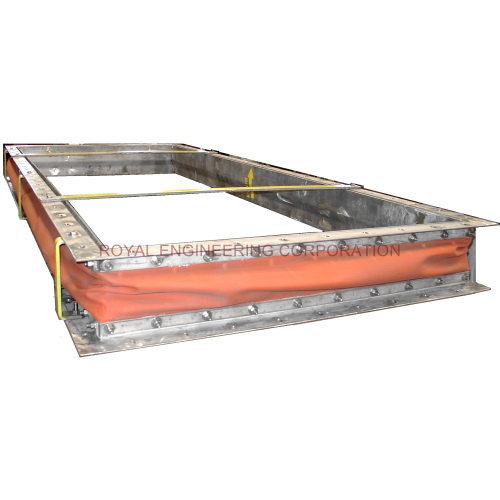
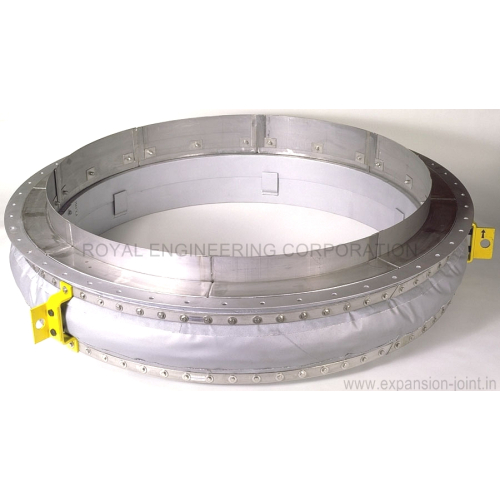
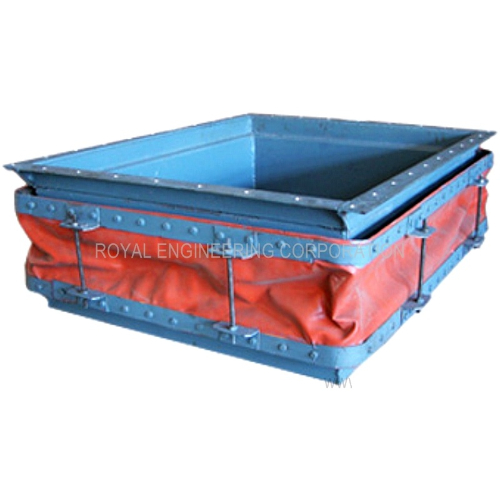
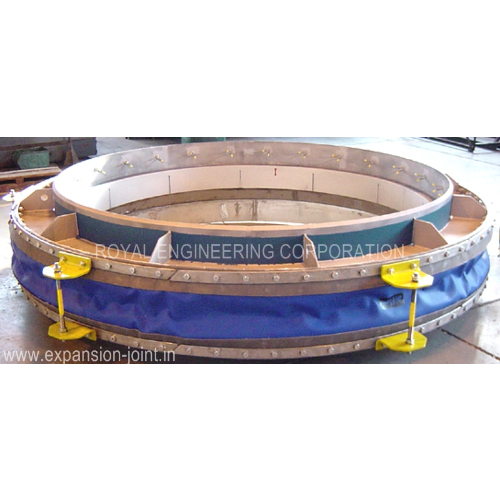
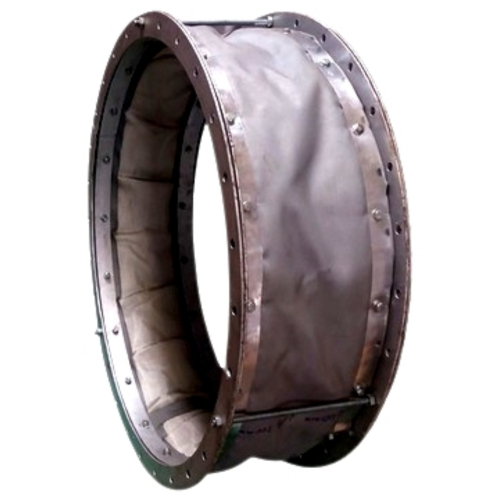
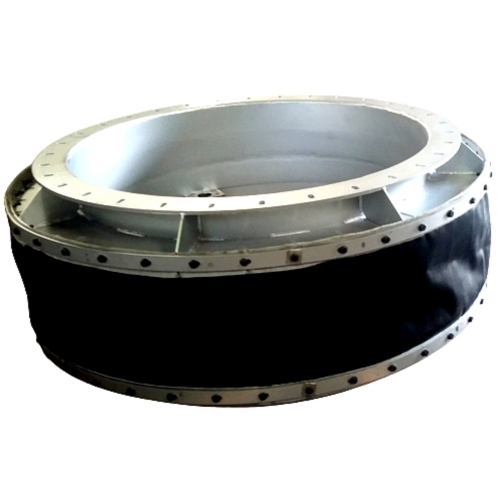
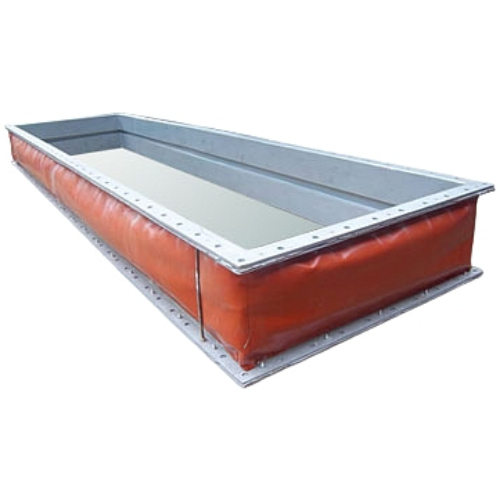
We are leading Non Metallic Expansion Joint (Bellow) Manufacturers up to the following capacity :
Non Metallic Expansion Joint is specialized components designed to absorb the thermal expansion and contraction of piping systems, especially in environments where metal joints may be inadequate or prone to failure. These joints are primarily composed of materials such as rubber, polyurethane, or other synthetic polymers, which offer excellent resistance to various chemicals and temperatures.
The construction of Non Metallic Expansion Joint typically involves layers of these flexible materials, often reinforced with fabrics or other support structures to enhance their durability and performance. This multi-layered approach not only provides the necessary flexibility but also ensures longevity in challenging operating conditions. The choice of material is critical, as it must be compatible with the specific fluids or gases conveyed through the pipes, particularly in instances involving corrosive substances.
One of the primary advantages of Non Metallic Expansion Joint is their ability to withstand high temperatures, making them suitable for applications in industries such as chemical processing, oil and gas, and power generation. These joint is engineered to maintain structural integrity under thermal stress while also providing isolation from vibrations and movements caused by thermal expansion. Furthermore, they can effectively manage the expansion and contraction forces that result from temperature fluctuations, which is essential in preventing damage to piping systems.
In addition to high-temperature environments, Non Metallic Expansion Joint excel in applications where lightweight and corrosion-resistant materials are necessary. Their design allows for easy installation and maintenance, thereby reducing downtime and operational costs. Overall, Non Metallic Expansion Joint is an integral choice for engineering solutions in a variety of industrial applications, especially where traditional Metallic joints may not suffice.
Non Metallic Expansion Joint is crucial components in various piping and duct systems, providing flexibility and accommodating movements caused by thermal expansion, vibrations, and other forces. There are several types of Non Metallic Expansion Joint available, including rubber, fabric-reinforced joints, and composite types. Each type exhibits unique features and advantages, which cater to different industrial applications.
Rubber expansion joints are perhaps the most widely used type due to their versatility and durability. These joints are typically made of synthetic rubber compounds, offering excellent elasticity and resistance to environmental factors such as ozone and UV radiation. Rubber expansion joints can effectively absorb vibrations and thermal movements and are commonly employed in plumbing, HVAC systems, and water treatment facilities. Their ease of installation and low maintenance requirements make them a popular choice among engineers.
Fabric-reinforced expansion joints consist of layers of fabric that are coated with elastomers, providing enhanced strength and flexibility. The fabric layers are designed to handle high pressure and temperature variations, making them suitable for applications in chemical processing plants, power generation, and other high-demand environments. These joints are highly resistant to chemical attacks and are available in various shapes and sizes to match specific system requirements.
Composite expansion joints are constructed from advanced materials that combine the benefits of rubber and fabric. They often incorporate multiple layers of materials, including lightweight composites, to achieve high performance under extreme conditions. These joints are particularly advantageous in industries such as aerospace, automotive, and marine, where weight reduction and mechanical integrity are paramount.
Understanding the differences among these types of Non Metallic Expansion Joint is essential for selecting the most appropriate option for specific applications. Each type offers distinct benefits that address the diverse needs of various industries.
Non Metallic Expansion Joint offers several distinct advantages that make them an appealing choice for various industrial applications. One of the primary benefits is weight reduction. Non-Metallic materials such as rubber, fabric, or plastic are significantly lighter than their Metallic counterparts, which can lead to easier handling and installation. This weight advantage can also result in lower transportation costs and simpler structural support requirements.
Flexibility is another crucial aspect of Non Metallic Expansion Joint. These joints are designed to accommodate thermal expansion and contraction in systems without compromising functionality. The inherent flexibility of non-Metallic materials allows for efficient movement in piping and duct systems, which helps to maintain the integrity of the overall structure and reduces the risk of damage during operation.
In addition to flexibility, Non Metallic Expansion Joint exhibit impressive resistance to various environmental factors. They are often engineered to withstand exposure to chemicals, moisture, and temperature fluctuations. This makes them suitable for use in a variety of challenging settings, including chemical plants, wastewater treatment facilities, and HVAC systems. Their resistance to erosion and corrosion further enhances their longevity and effectiveness.
Installation ease is another advantage of Non Metallic Expansion Joint. Compared to metal joints, which often require welding or specialized equipment for installation, non-Metallic options can usually be installed using standard tools and techniques. This simplification can result in considerable time savings during project implementation.
Moreover, Non Metallic Expansion Joint can prove to be more cost-effective in the long run. They typically have lower upfront costs and reduced maintenance needs compared to Metallic joints. Their durability and lower wear rates lead to less frequent replacements, further enhancing their overall financial appeal for operators and engineers alike.
Non Metallic Expansion Joint is integral components in various industrial and commercial applications, owing to their exceptional flexibility and resistance to a wide range of environmental factors. These joints are primarily employed in plumbing, HVAC systems, chemical processing, and manufacturing, each benefiting from the unique attributes offered by non-Metallic materials.
In plumbing systems, Non Metallic Expansion Joint help accommodate thermal expansion and contraction, ensuring that pipes remain intact despite fluctuating temperatures. This capability is especially vital in hot water systems or environments with significant temperature changes, as it mitigates the risk of damage and prolongs the life of the system. Moreover, these joints often feature chemical resistance, making them ideal for use in wastewater treatment facilities where corrosive substances can be prevalent.
In HVAC applications, Non Metallic Expansion Joint is crucial in maintaining system efficiency. They assist in managing vibrations and movements caused by thermal expansion, which can otherwise lead to equipment failure or air leaks. The flexibility of these joints not only helps in safeguarding the structural integrity of duct work but also enhances energy savings by maintaining proper airflow.
The chemical processing industry also relies heavily on Non Metallic Expansion Joint due to their ability to withstand aggressive chemicals and high-pressure environments. For instance, in a recent case study involving a petrochemical plant, the implementation of non-Metallic joints allowed for significant reductions in maintenance downtime and costs. These joints effectively accommodated the dimensional changes of pipelines caused by heat and pressure, ultimately contributing to operational efficiency.
In the manufacturing sector, Non Metallic Expansion Joint plays a pivotal role in conveyor systems and machinery. Their flexibility assists in compensating for movements in heavy equipment, thus reducing wear and tear. A notable example includes food processing facilities, where these expansion joints maintain hygiene standards while effectively managing the stresses of assembly line systems.
Choosing the appropriate Non Metallic Expansion Joint for specific applications is critical to ensure optimal performance and longevity. One of the foremost considerations is understanding the pressure ratings of the expansion joint. Non Metallic Expansion Joint must be selected based on the maximum operating pressure of the system they will be part of. It is essential to consult manufacturers’ specifications to ensure that the chosen joint can handle the expected pressure without compromising integrity.
Temperature limits are another crucial factor to take into account when selecting a Non Metallic Expansion Joint. Non-metallic materials come with different thermal resistance capabilities; thus, it is important to align the expansion joint with the temperature ranges expected during operation. Testing parameters from manufacturers can provide necessary insights into the performance of various materials under heat stress, aiding in the selection process.
Chemical compatibility is paramount as well. Non Metallic Expansion Joint is often exposed to various fluids or gases, and selecting a material that is chemically compatible with the substances in the system is necessary to prevent early degradation and failure. Researching the chemical properties of the materials involved and consulting compatibility charts can guide users in making informed choices.
Lastly, consideration of installation space is vital when selecting a Non Metallic Expansion Joint. The physical dimensions and flexibility of the joint must align with the available installation area to ensure ease of fitting and maintain system efficiency. Engaging with specialists or manufacturers can provide valuable guidance in assessing all these factors, ensuring that the proper Non Metallic Expansion Joint is selected for optimal functionality and reliability in various applications.
Non Metallic Expansion Joint is essential components in various industrial applications, providing flexibility and accommodating thermal expansion and contraction. The performance and longevity of these joints heavily depend on the materials utilized in their manufacturing. Key materials commonly used include rubber, polymers, and fabrics, each selected for their unique properties and performance characteristics.
Rubber is one of the most prevalent materials used in Non Metallic Expansion Joint. It offers excellent elasticity and vibration damping capabilities, which make it ideal for dynamic applications. Natural rubber is noted for its high resilience and flexibility, while synthetic rubbers, such as neoprene and EPDM, provide enhanced chemical resistance and durability. These materials withstand harsh environmental conditions, including temperature variations and exposure to corrosive substances.
Polymers, particularly thermoplastics, are also significant in the production of Non Metallic Expansion Joint. Materials like PVC, PTFE, and polyurethane are popular choices due to their excellent chemical stability and resistance to ultraviolet light. The adaptability of polymers allows for the design of joints that can withstand both thermal and mechanical stresses effectively. Additionally, the lightweight nature of these materials makes installation easier and less labor-intensive.
Fabrics, often reinforced with rubber or polymers, are utilized to enhance the strength of Non Metallic Expansion Joint. Common fabric materials include polyester and fiberglass, which are employed for their tensile strength and load-bearing capabilities. The combination of these fabrics with elastic materials not only improves the mechanical attributes of the joints but also extends their lifespan significantly. This multi functionality is vital in ensuring that expansion joints maintain their integrity in various operational settings.
In summary, the choice of materials in the production of Non Metallic Expansion Joint is guided by the specific requirements of the application. By selecting appropriate rubber, polymers, and fabrics, manufacturers can create joints that exhibit optimal performance and durability in diverse industrial environments.
Quality control plays a crucial role in the manufacturing process of Non Metallic Expansion Joint, ensuring that these essential components meet industry standards for durability, reliability, and safety. The rigorous application of quality control measures is not only vital for regulatory compliance but also for customer satisfaction, as the performance of expansion joints directly impacts the integrity of the systems in which they are installed.
One of the primary quality control measures includes the implementation of standardized testing procedures throughout the manufacturing process. These tests evaluate the physical and chemical properties of the materials used, such as elasticity, tensile strength, and resistance to environmental factors. By adhering to established standards, manufacturers can verify that their products will withstand the stresses they will encounter in real-world applications.
In addition to material testing, manufacturers utilize visual inspections at various stages of production. This involves examining the joints for any visible defects or inconsistencies that could affect performance. Regular audits and inspections help ensure that all components meet predetermined specifications and that any deviations are corrected promptly.
Furthermore, advanced technologies such as non-destructive testing (NDT) are increasingly employed. Techniques such as ultrasonic, radio graphic, or magnetic particle inspection allow for the detection of internal defects without damaging the joints. These methods enhance the quality assurance process, providing an extra layer of confidence in the reliability of the products produced.
This comprehensive approach to quality control not only safeguards the manufacturing process of Non Metallic Expansion Joint but also promotes continuous improvement. By analyzing test results and customer feedback, manufacturers can refine their processes, ensuring that each joint produced is capable of meeting or exceeding customer expectations for performance and safety. Ultimately, quality control measures are integral to delivering high-quality Non Metallic Expansion Joint that uphold industry standards.
Choosing a Non Metallic Expansion Joint manufacturer requires careful consideration of several key factors that can greatly influence the overall quality and suitability of the product for specific applications. One of the primary criteria is the manufacturer’s manufacturing capabilities. It is essential to assess their production technologies, specialized equipment, and ability to meet the required volume and delivery schedules. A manufacturer with advanced manufacturing capabilities is more likely to produce high-quality expansion joints that meet stringent industry standards.
Another crucial factor is the quality of materials used in the manufacturing process. Non Metallic Expansion Joint is often exposed to harsh environments; therefore, the durability and chemical resistance of the materials play a pivotal role. Potential buyers should inquire about the types of materials employed and whether they are compliant with industry specifications. Quality certifications, such as ISO standards, can also serve as indicators of a manufacturer’s commitment to producing reliable products.
Customization options represent another vital criterion. Every application has its unique set of requirements, and having a manufacturer that can tailor solutions is essential. Prospective clients should explore the extent to which a manufacturer can accommodate custom designs and specifications, as well as their flexibility in adapting to specific project needs.
Customer service is equally important in the selection process. A responsive and knowledgeable customer service team can greatly enhance the procurement experience and assist in troubleshooting or addressing issues post-purchase. Evaluating how a manufacturer prioritizes customer interactions can reflect their overall reliability.
Lastly, industry experience should not be overlooked. A manufacturer with a proven track record in producing Non Metallic Expansion Joint underscores their expertise and understanding of market demands. Assessing their portfolio, client testimonials, and case studies can provide insight into their competence in delivering effective solutions.